





September 27, 2026
Agency
How Farm Insurance Differs From Homeowners Insurance
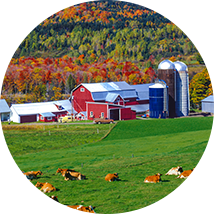
If you own a farm, your property serves a purpose that goes well beyond a place to live. You have livestock, equipment, crops, outbuildings, and potentially employees, all of which create a risk profile that a standard homeowners policy is not built to handle. Homeowners insurance is designed for residential living, and while it covers your dwelling and personal belongings, it stops short of the agricultural exposures associated with working land.
What Homeowners Insurance Covers
A standard homeowners policy typically includes financial protection for your dwelling, personal property, liability and detached structures on your property. It works well for a residence without commercial activity. Once farming operations enter the picture, those coverage boundaries can become a problem.
What Farm Insurance Adds
Farm insurance is built to cover the full scope of agricultural operations. Depending on your insurance package, it can include:
- Coverage for barns, silos and other farm structures
- Livestock protection against death from covered causes
- Farm equipment and machinery coverage
- Crop insurance for losses due to weather, pests or disease
- Farm liability, including coverage related to agritourism or roadside sales
- Workers’ compensation options if you employ farm laborers
The Liability Gap Is Significant
Homeowners liability coverage does not extend to business activities conducted on the property. If a visitor is injured during a farm operation, or if your livestock causes property damage off your land, a homeowners policy will likely deny the claim. Farm insurance can help cover that gap by providing liability protection tied directly to agricultural work.
Learn More
Contact McQuiston Insurance Agency today to explore coverage options. Our agents can help you build a robust farm insurance portfolio. We proudly serve Richmond, IN and the surrounding communities.
This blog is intended for informational and educational use only. It is not exhaustive and should not be construed as legal advice. Please contact your insurance professional for further information.
Categories: Blog, Farm insurance